Wellnest
Building a playful
journaling app
Before graduating college, my friends and I wanted to help our peers take better care of themselves.
Our friends and classmates were stressed and anxious, the university counseling department was swamped, and many students weren't seeking clinical help because of social stigma.
We started by interviewing mental health experts to better understand the state of young adults’ mental health.
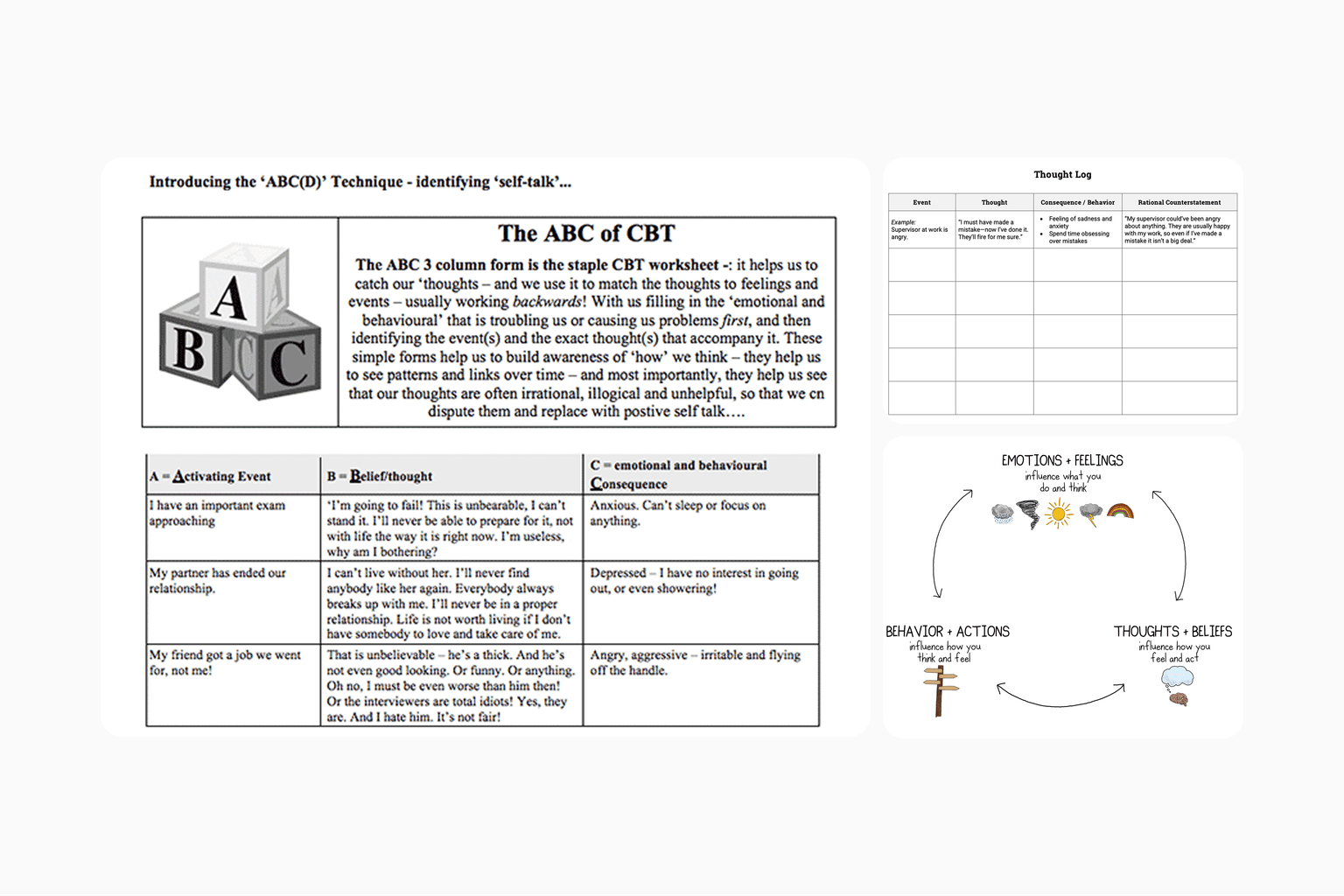
In our interviews, we learned that many therapists recommended CBT (cognitive behavioral therapy) worksheets and journaling for people to use between sessions. Even though these methods were effective, they felt unapproachable, daunting, and clinical.
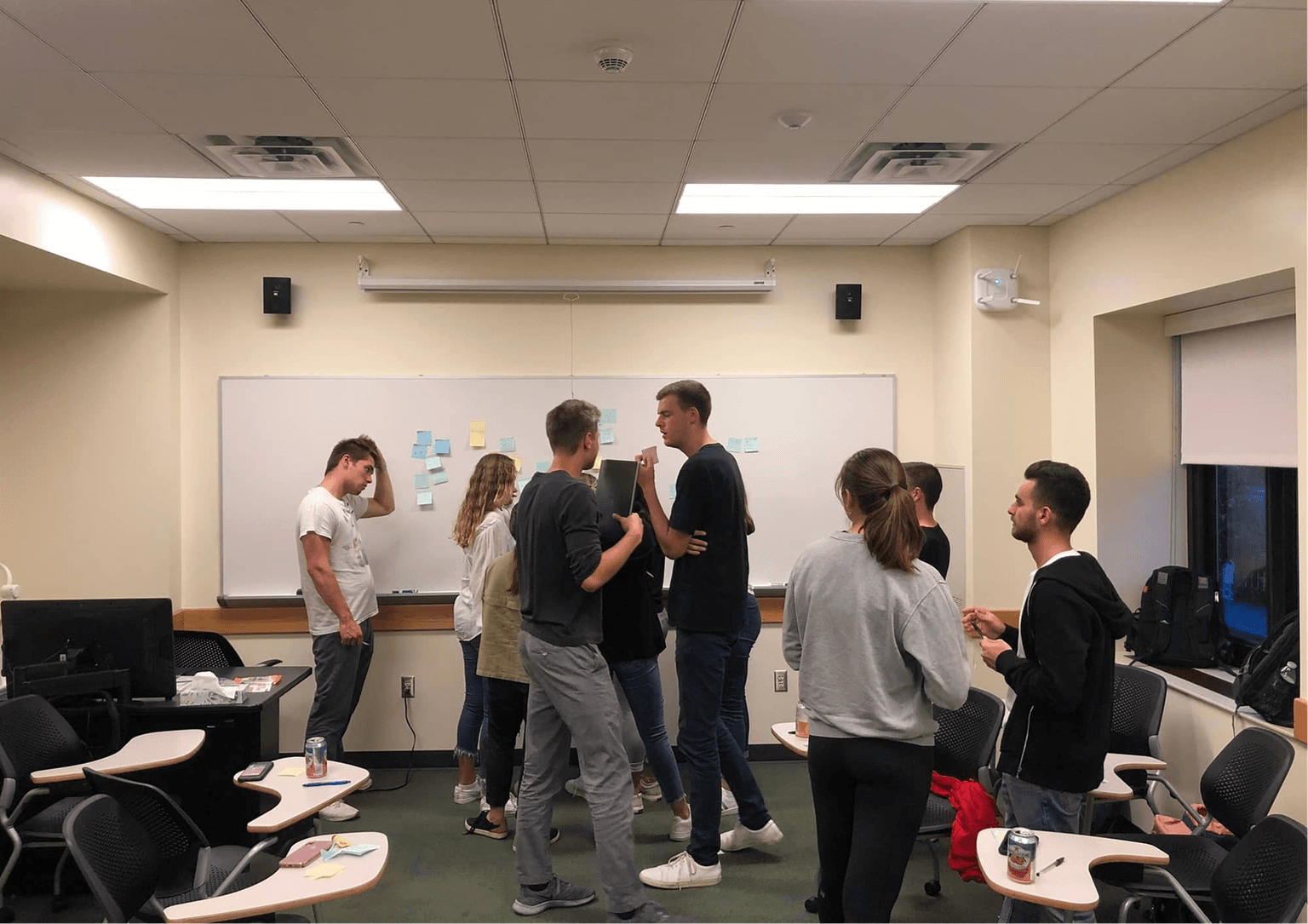
We held focus groups to learn more about our peers’ daily habits, what they struggle with, and how they cope.
Among the many habits people had to cope with daily stress, “writing more” was the #1 habit our peers wished to work on.
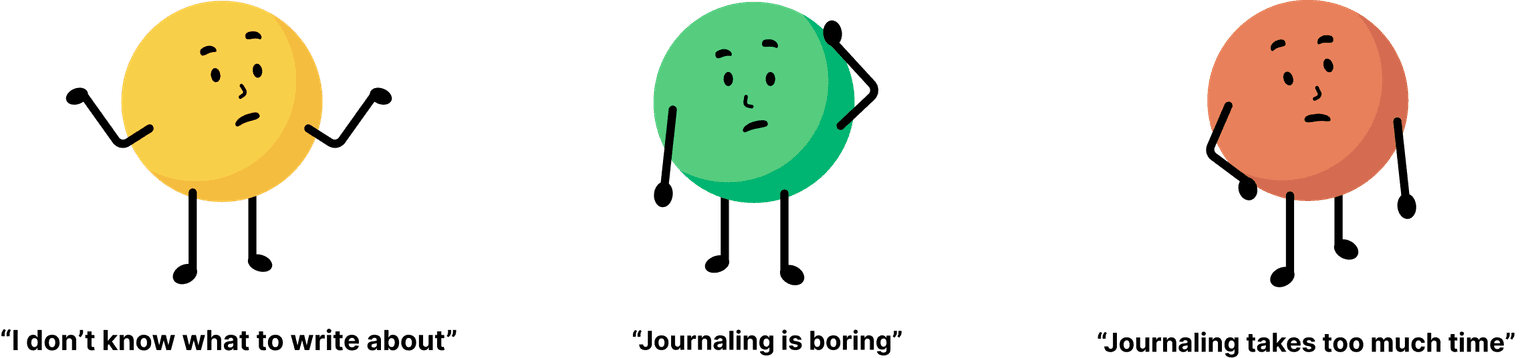
Even though people wanted to “write more,” there were 3 key problems that often stood in their way:
- “I don’t know what to write about.”
- “Journaling is boring.”
- "Journaling takes too much time.”
“I don’t know what to write about.”
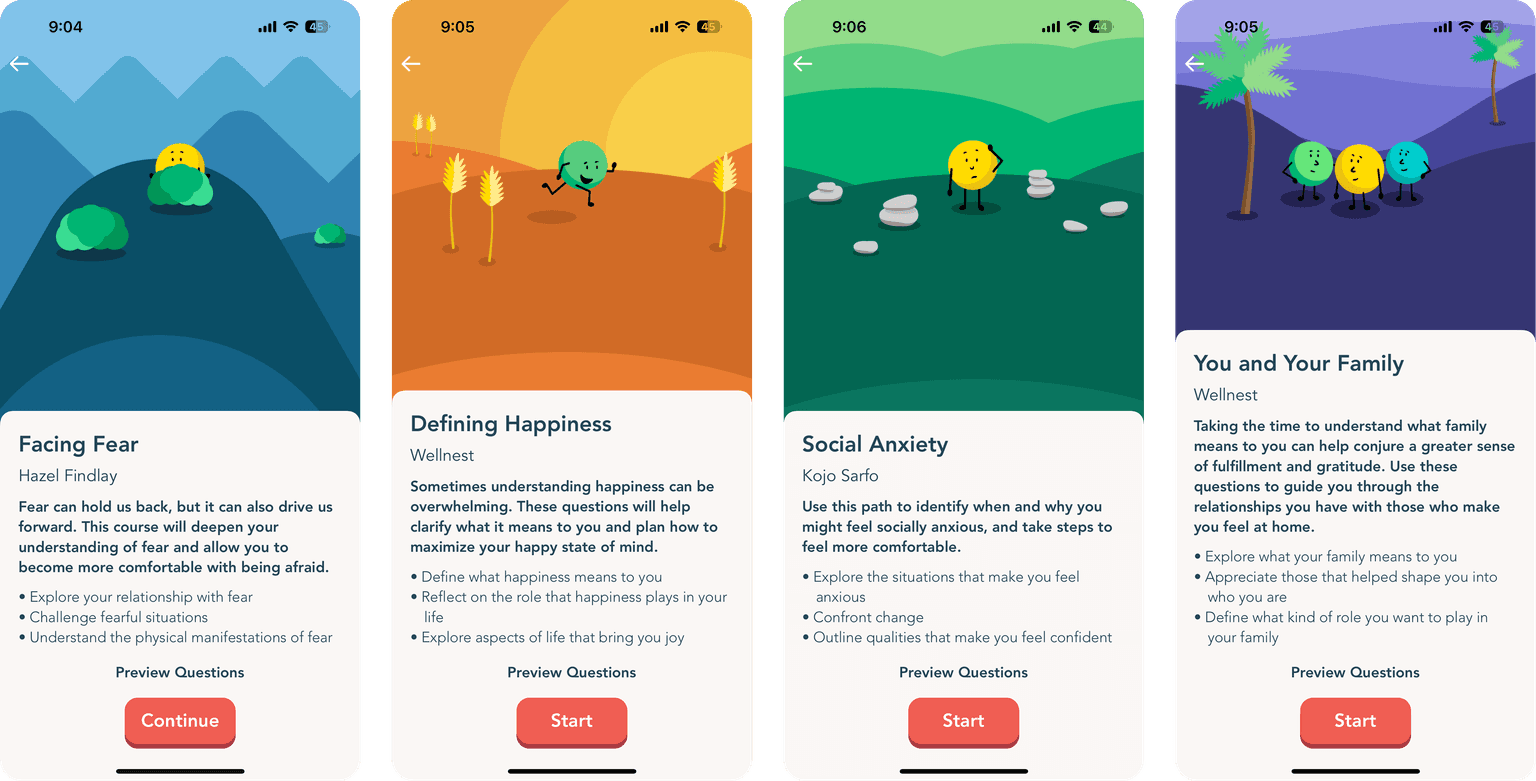
We hypothesized that creating guided journaling prompts based on CBT worksheets could help people develop a therapy-backed writing habit.
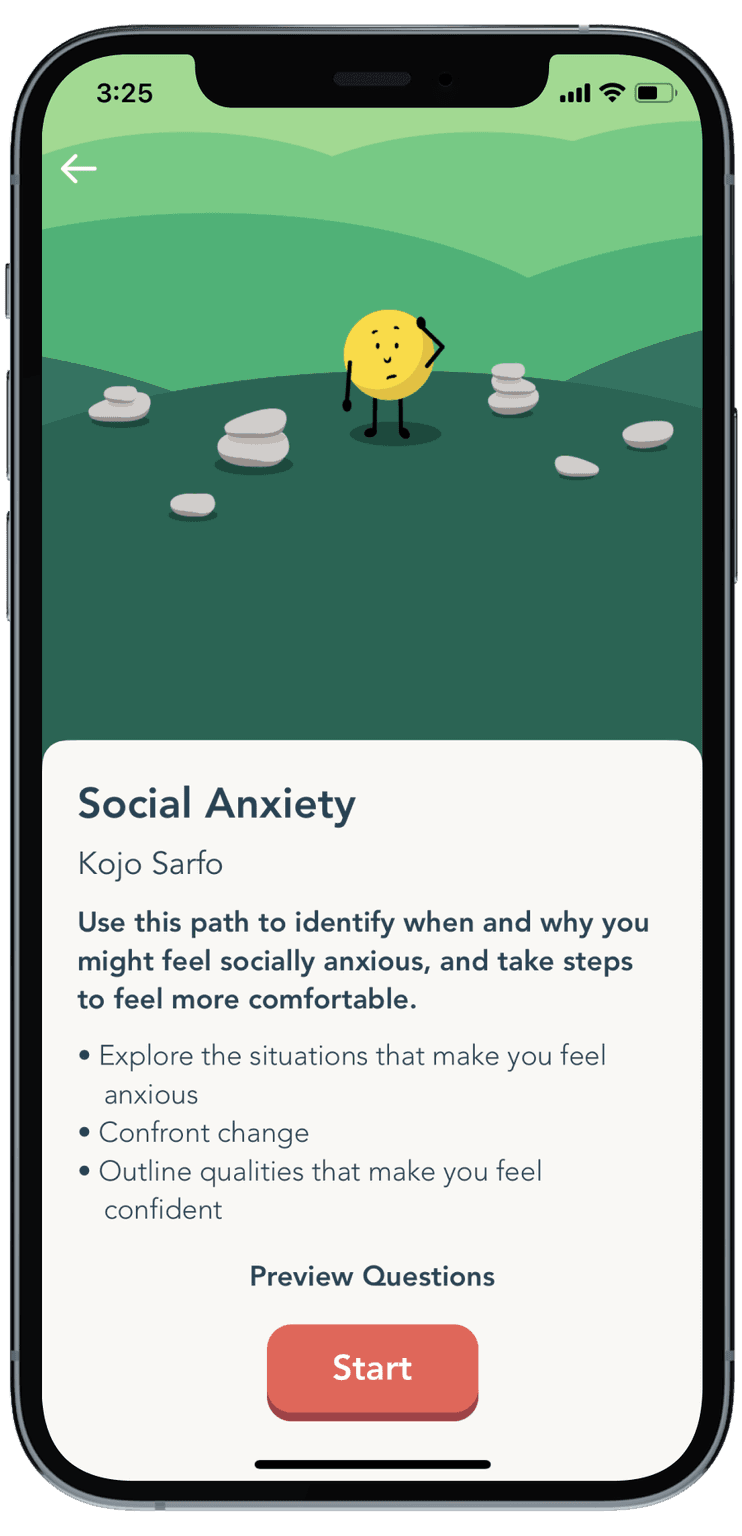
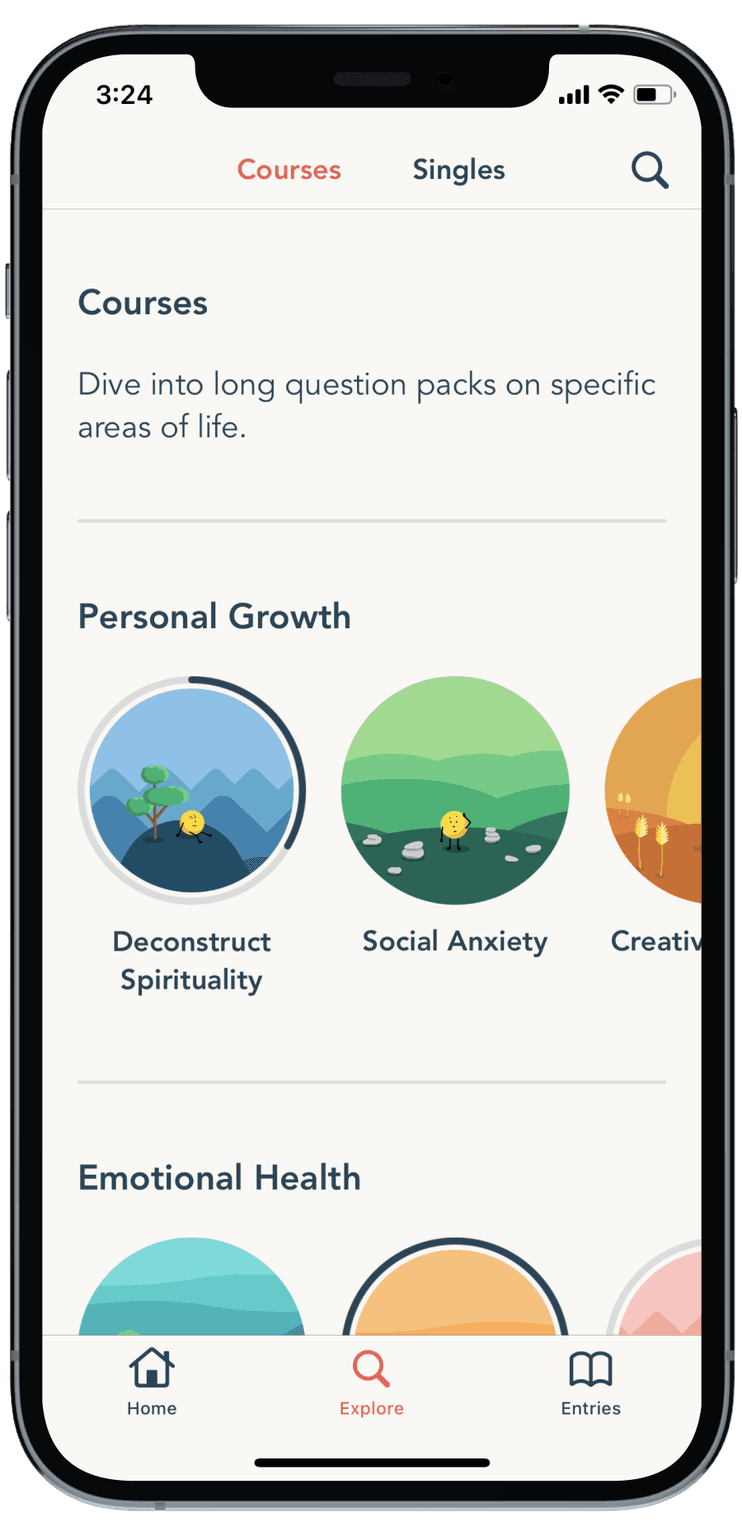
We worked with mental health experts to create a content library of guided journaling prompts that focused on the problems we heard in our focus groups, such as: healing from a break up, social anxiety, daily gratitude, and more.
“Journaling is boring.”
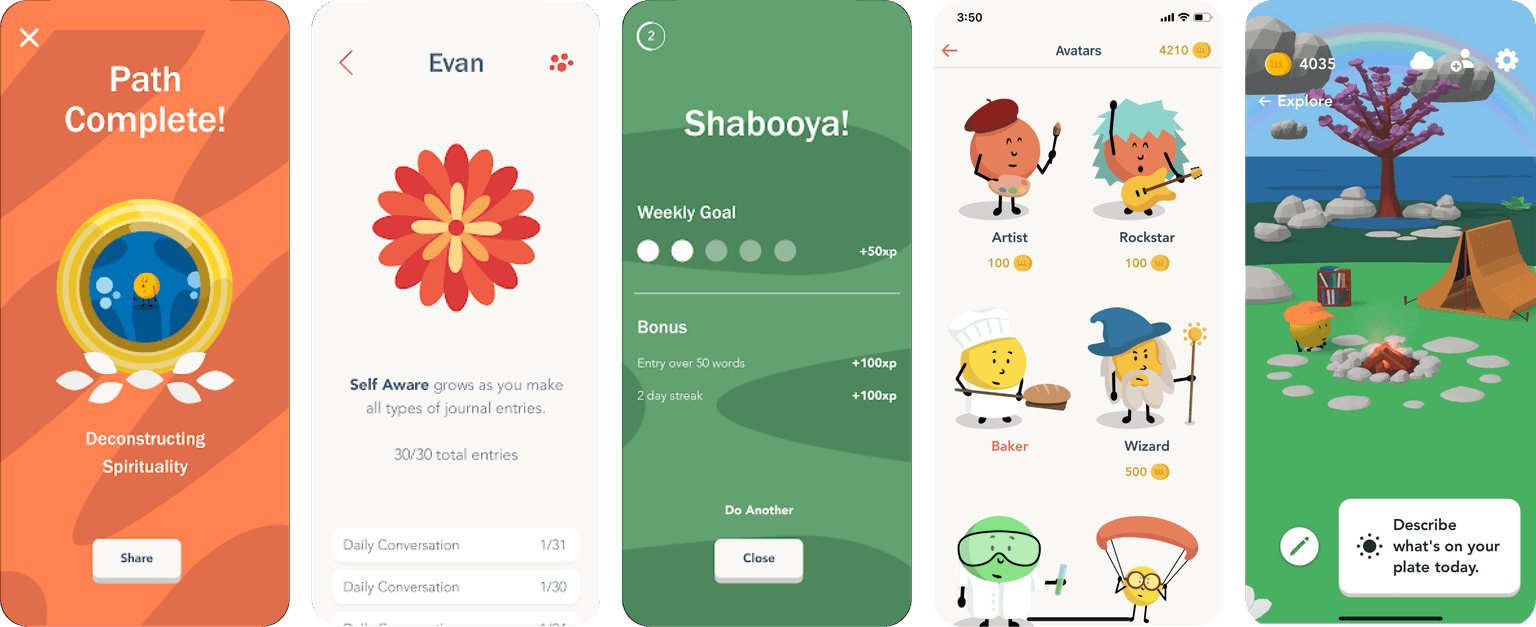
Witnessing the rise of gaming, we were determined to create a fun and rewarding experience through gamification.
Beyond the fact that we all grew up clicking away at multi-player games and learned that:
- 55% of gamers identify as male and 45% identify as female
- 70% of video gamers are aged 18 or higher
- 90% of the gamers in the U.S. claim that they get joy out of gaming, with 87% of them saying that video games provide mental stimulation
We also caught on that most of the fastest growing apps had elements of gaming in them. From nuanced tactics ranging from colorful UIs in Headspace, to full on mascots, leaderboards, and XP in Duolingo, we wanted to create a similar feeling of addiction towards habits that enhance your well-being.
“Journaling takes too much time.”
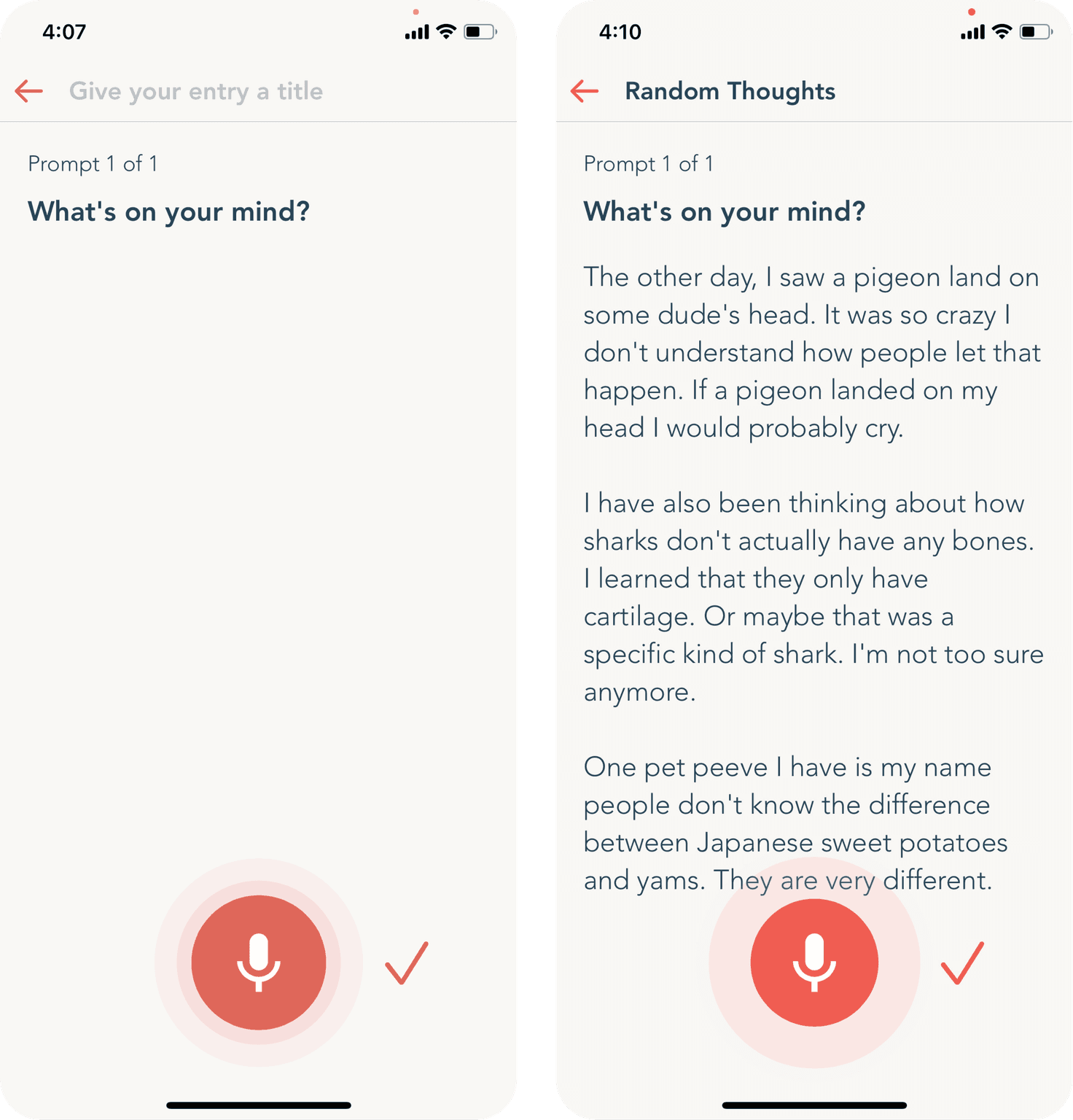
We envisioned a future where our peers talked into their AirPods while using speech-to-text to quickly journal between classes.
Knowing that our target audience was young, busy, and had concerns about how long journaling takes, we wanted create an experience that was quick and easy.
From users who used our speech-to-text feature, we learned that voice entries helped them practice talking about difficult struggles.
One surprising outcome was that multiple users said that it helped them practice talking about emotional topics before reaching out to friends and family for support.
With the combination of voice and guided content, the average session length on Wellnest was 3 minutes and 9 seconds.
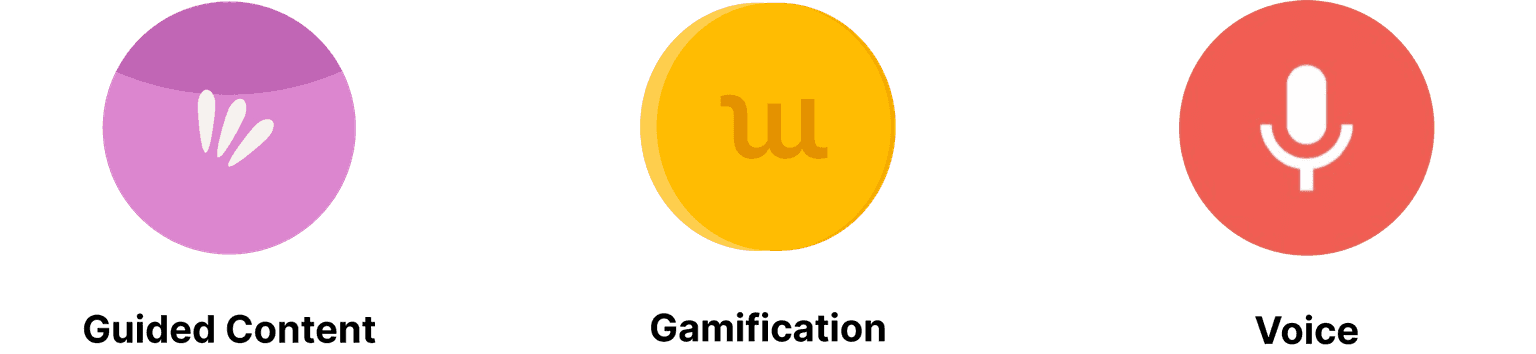
All three of these concepts created our core value prop.
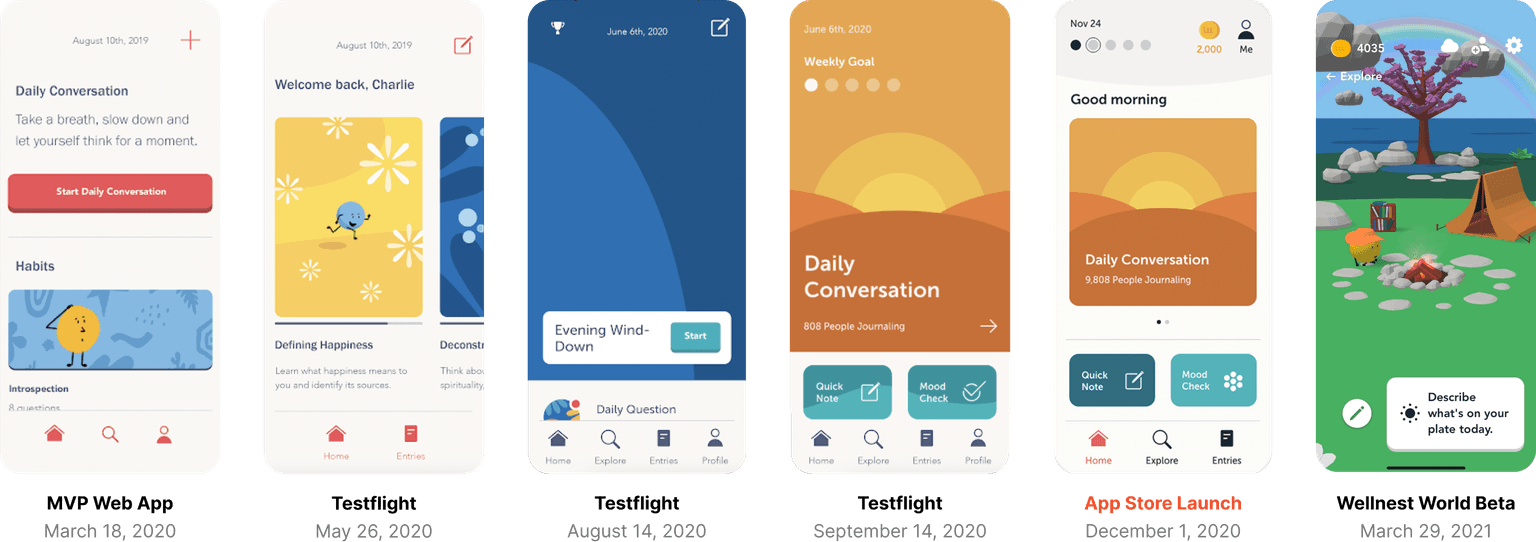
We went through many iterations before launching on the App Store in December, 2020.
Solution
Our solution helped 10,000+ young adults build a journaling habit
Results
Our app reached the hands of thousands and caught the attention of VCs & schools
Reflection
Personalization: Users raved about the variety of prompts we offered and how relevant they were to their lives. By allowing users to “choose their own adventure” with the kinds of journaling prompts they used every day, our app was able to tailor towards many peoples’ needs.
Progress: It’s difficult to build a sense of instant gratification when it comes to journaling. Besides streaks and progress bars, we learned that celebrating milestones had one of the biggest impacts on getting people to keep a habit.
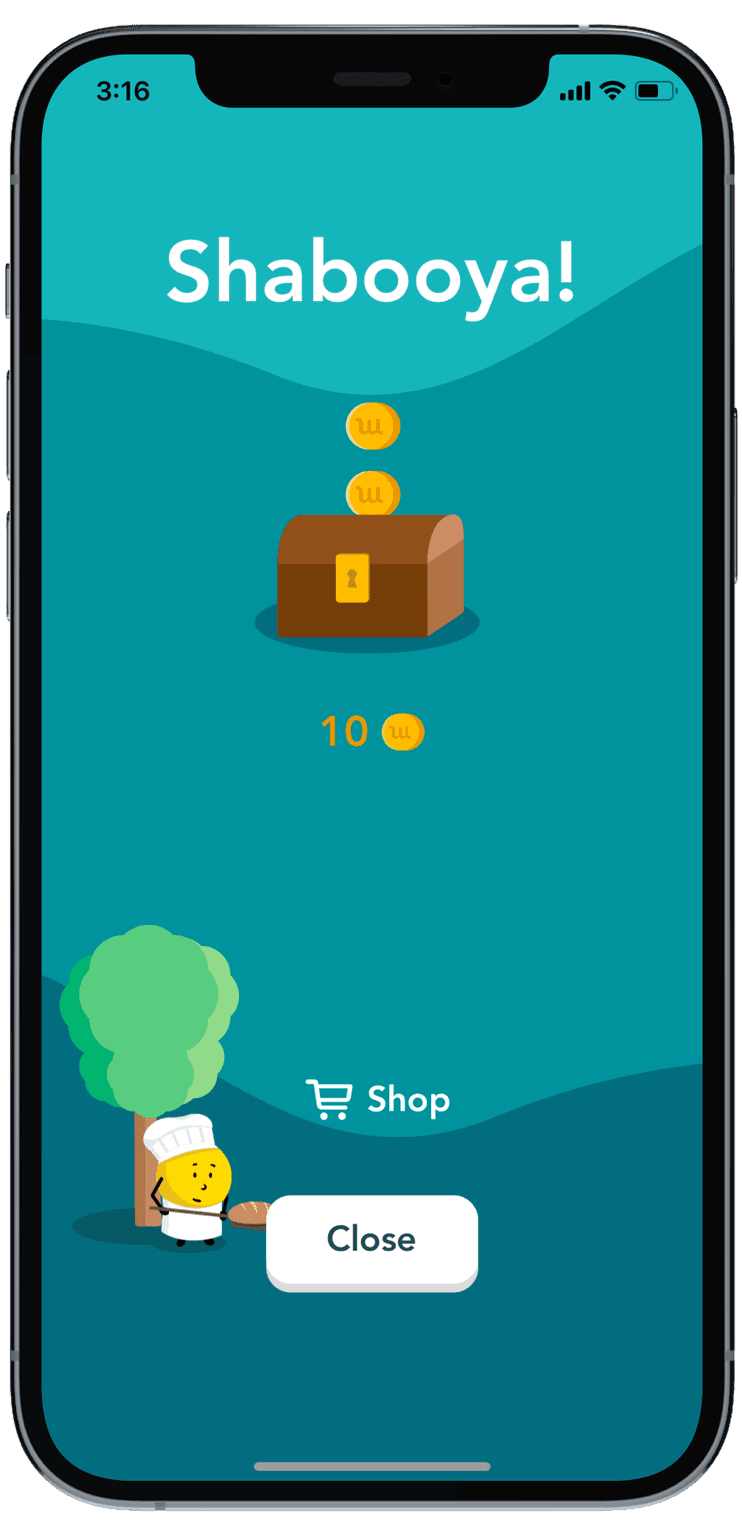
Fun: Every corner of our product was packed with delight and our users always noticed. From gamification like purchasing avatars with in-game currency, to exciting animations and bold, bright colors, our app sparked joy for many of our users who were going through difficult times.
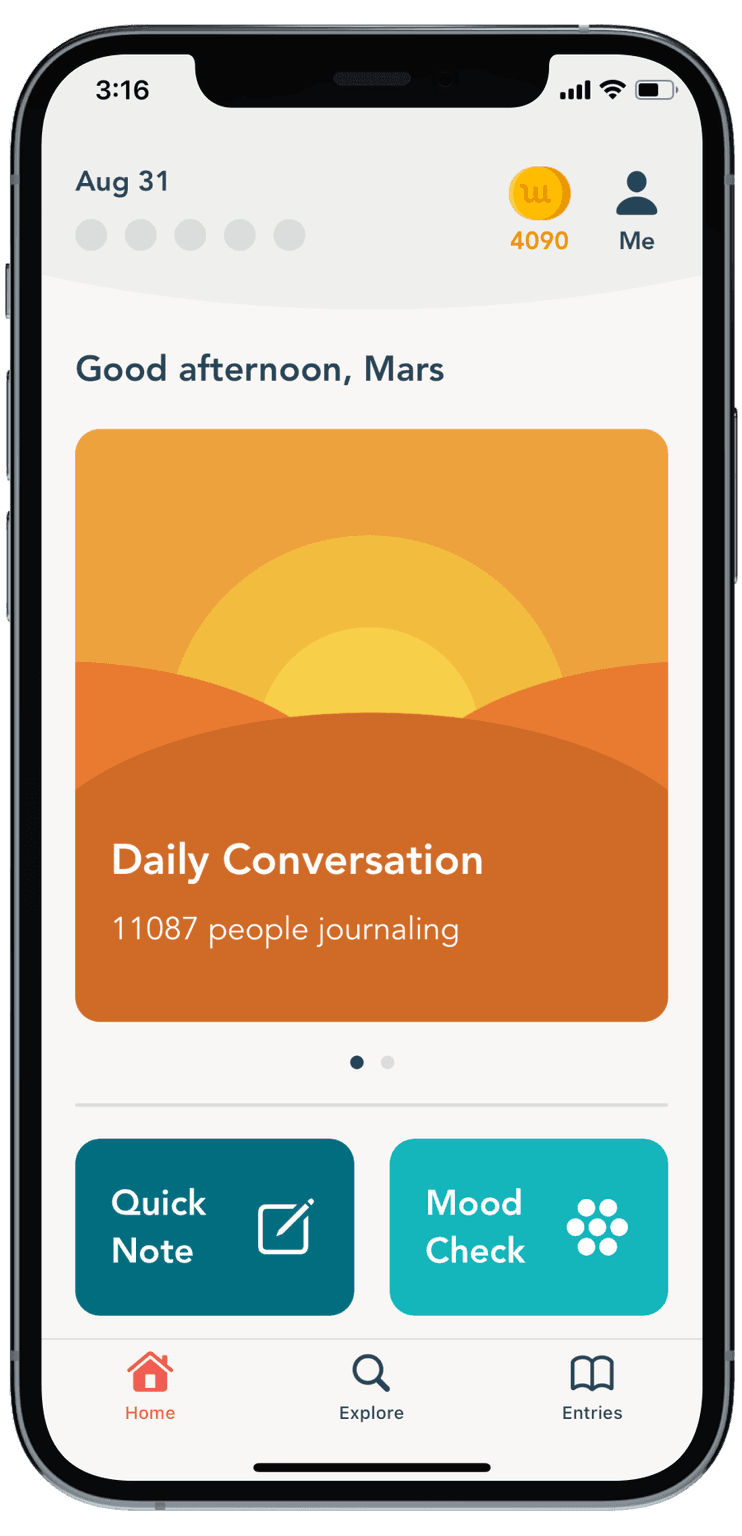
Community: We displayed the number of users who were on the app on the home screen - users seemed to love this small feature that assured them that they were not alone. Seeing thousands of people on the platform made the experience feel more approachable.
Team
- Mars HovasseCo-founder
- Tommy SearleCo-founder
- Drew PilatCo-founder
- Jack KornetCo-founder
- Reade PlunkettEngineer