The Nudge Content System
Unlocking scale with a new AI-powered content system
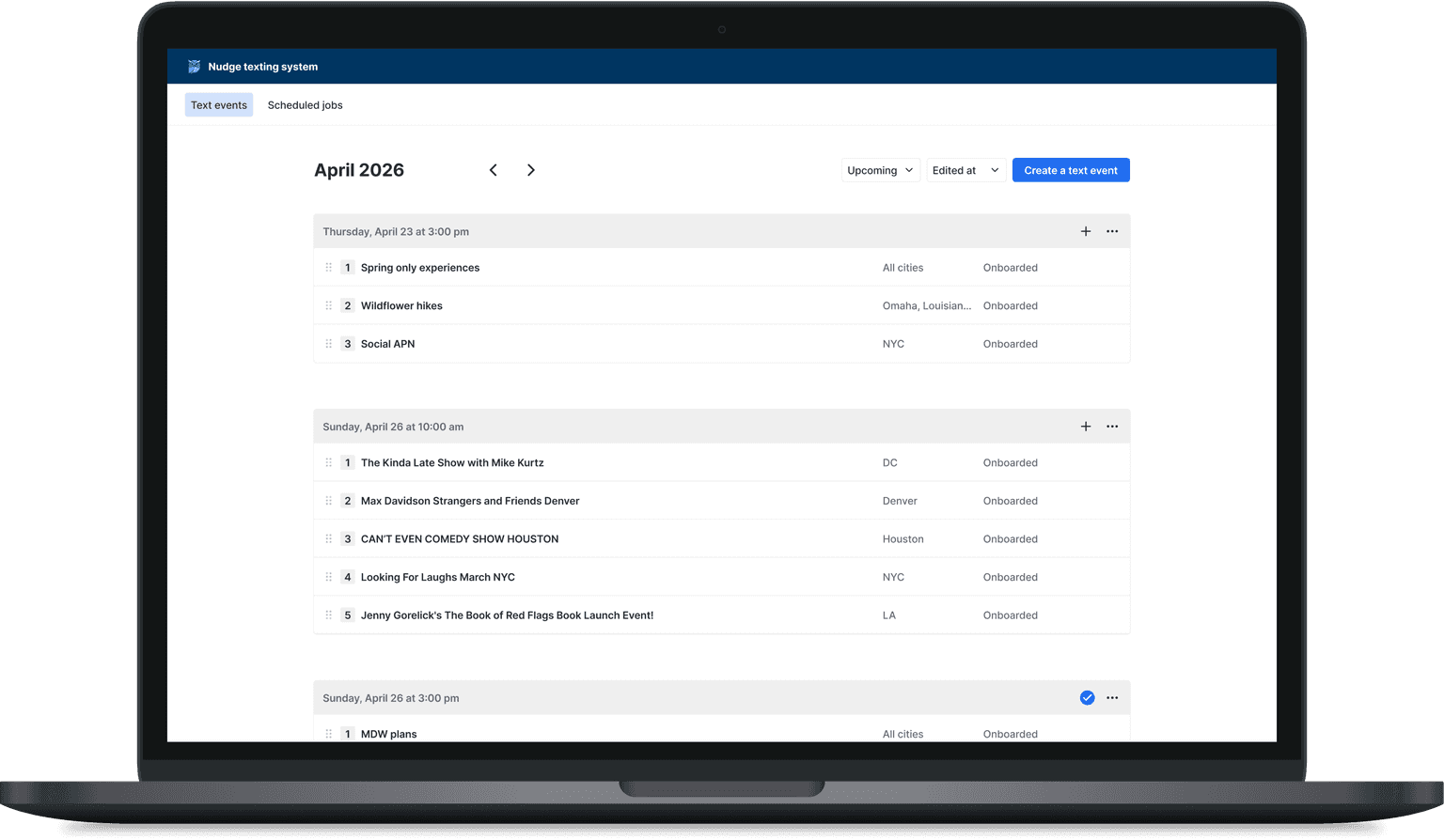
Our editorial workflow wasn't built to scale with our business.
At The Nudge, we curate recommendations using a mix of automated systems and human expertise. While many of our content pipelines were already automated, one key workflow had lagged behind: our editorial POVs.
The system behind our editorial POV texts hadn't kept up with the company.
Our workflow for writing and sending editorial content lived in Google Sheets.
Editorial texts were written from scratch for every city and submitted via an internal tool to be sent to users. This caused three core issues to emerge:
- No system meant no scalability. Because editorial content lived in spreadsheets, engineers had nothing to build on for this part of the content pipeline.
- The workflow was slow and repetitive. Every editorial text was written from scratch for every city. Research, writing, formatting, and QA were all done manually, across multiple tools.
- Scaling was tied to editorial headcount. Every time we wanted to launch new cities, we had to hire someone to manually edit and create editorial texts.
What initially looked like an inefficient workflow was actually a constraint on how the business could scale.
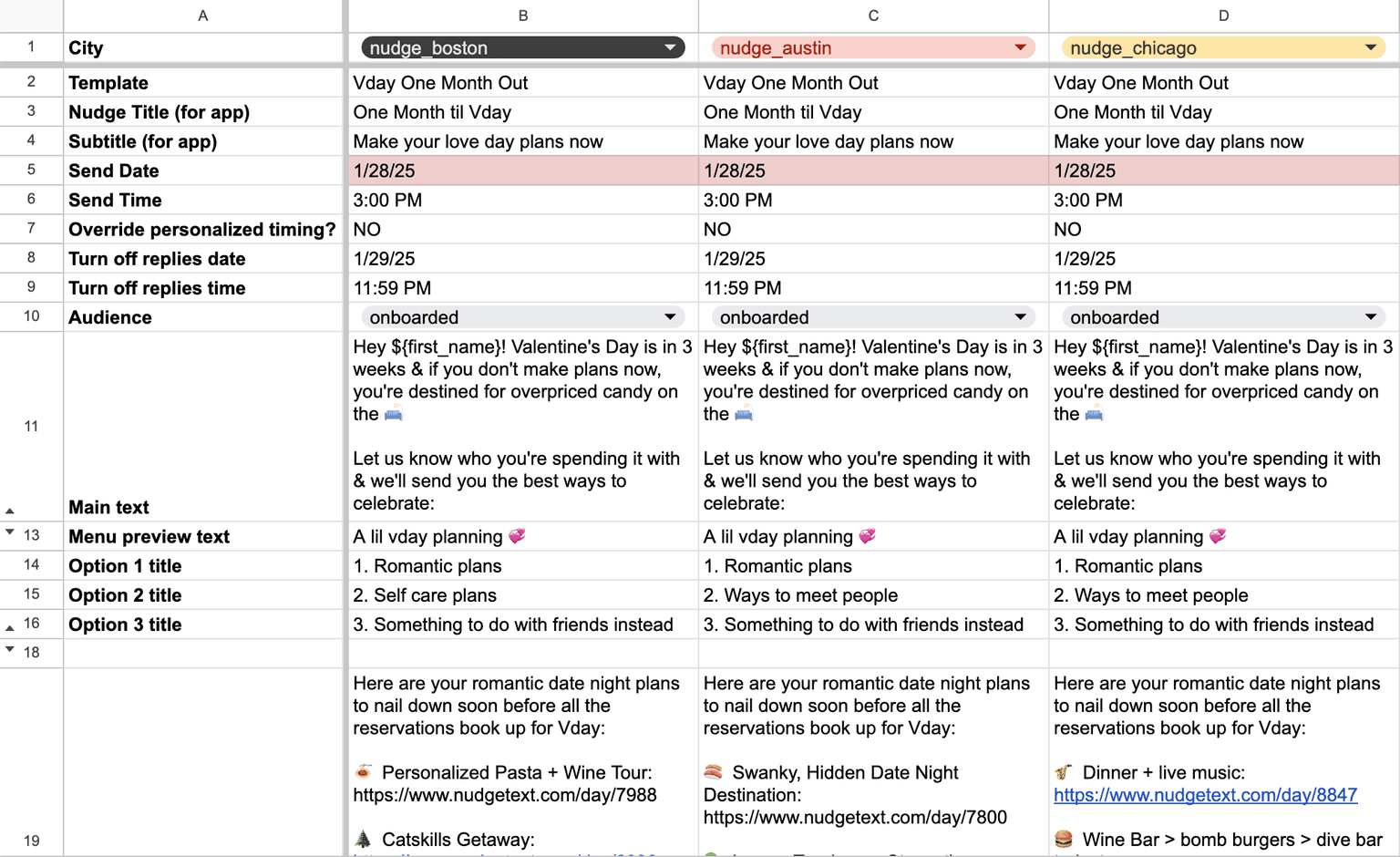
This limitation also meant our editorial content couldn't be personalized the way our other content systems could.
Without a system behind it, editorial content stayed static and one-size-fits-all, even as the rest of our stack moved toward per-user tailoring.
I partnered with our senior engineer to define the future of our content system and its potential impact on the business.
Then I translated that vision into a set of PRDs that aligned the team and moved us into execution.
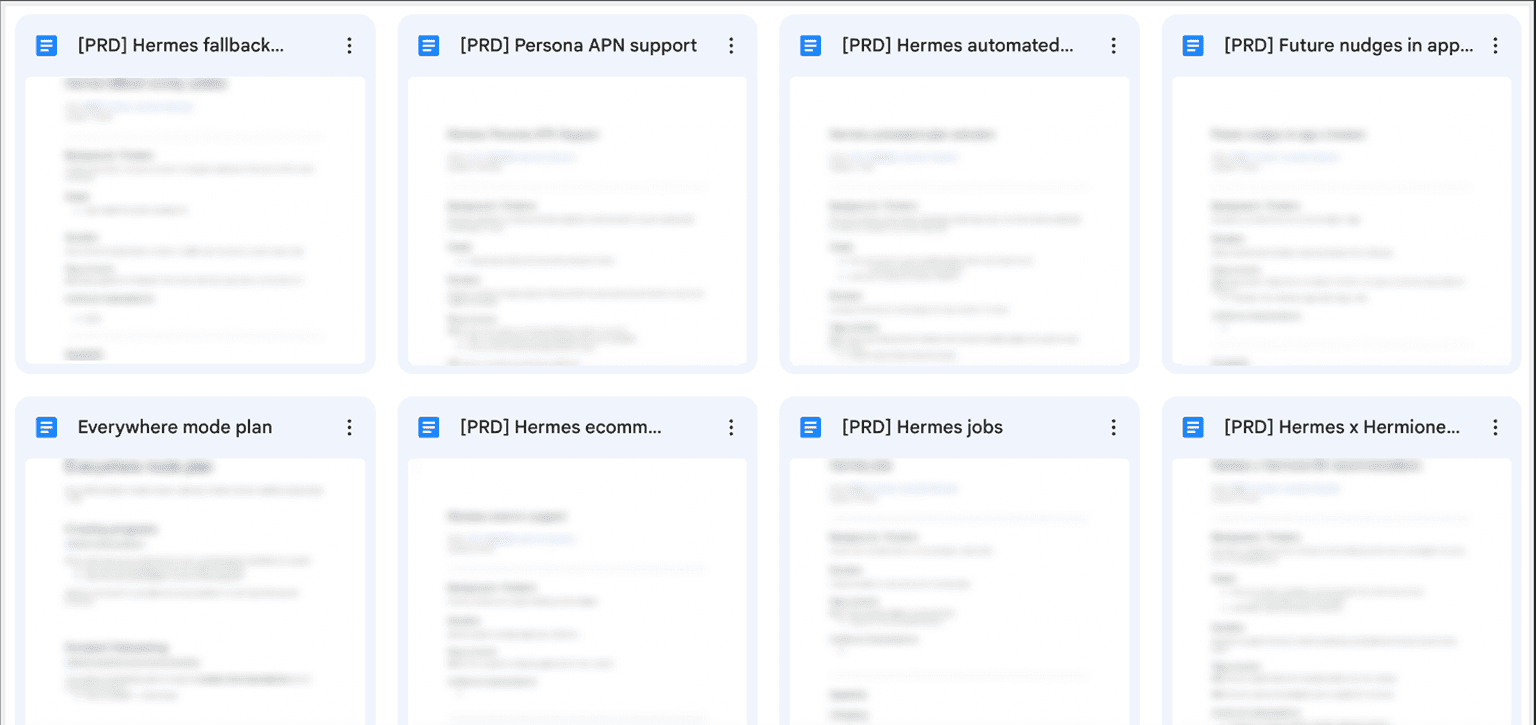
Hermes is our internal name for this tool. Anything titled "Hermes," "APN," "Everywhere mode" is part of this project.
I shadowed the content team to learn about their editorial workflow.
I spent significant time with the content team going through their full workflow in detail including their editorial calendars, how they decided what texts to write, when and how they reused copy, how they researched texts and found plans, and their writing principles. I needed to understand not just what they did, but how they thought about the work in order to properly identify where the product team could help.
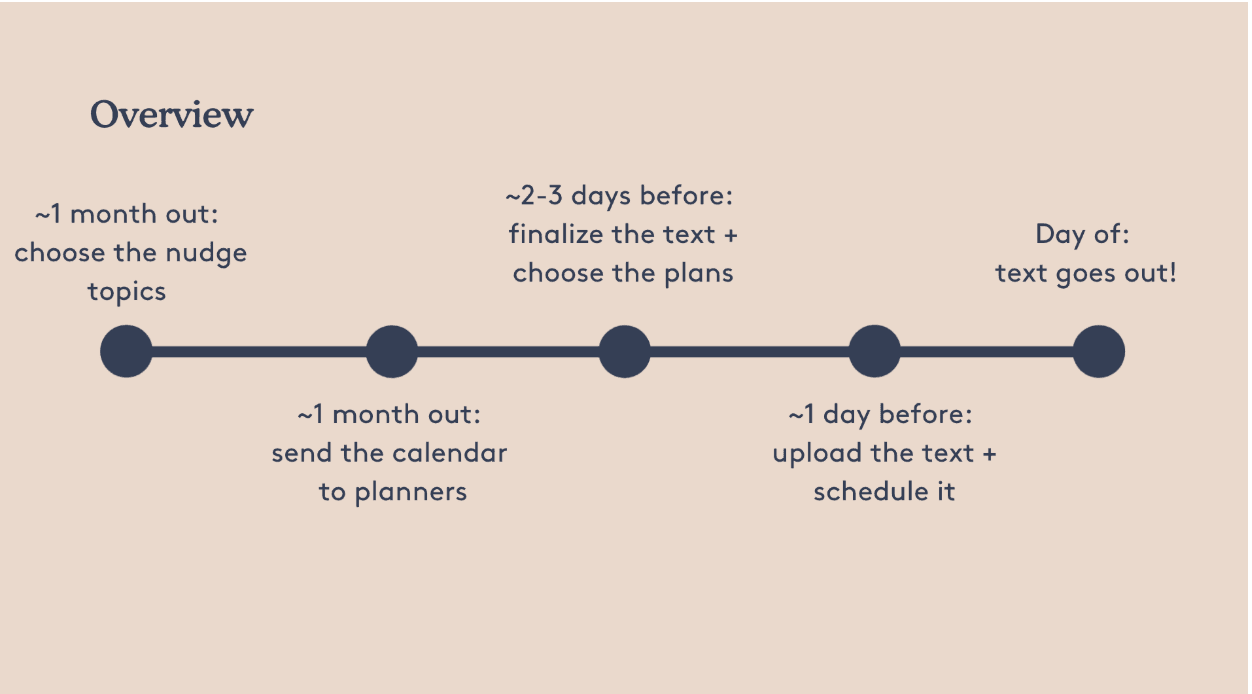
Slide from Content's workflow presentation at The Nudge's 2025 offsite!
I learned that a majority of the copy and research across all cities was actually the same.
Most of the content team's time was spent copying and pasting the same content across all cities and adding local nuance when possible, not actually writing new content for editorial texts.
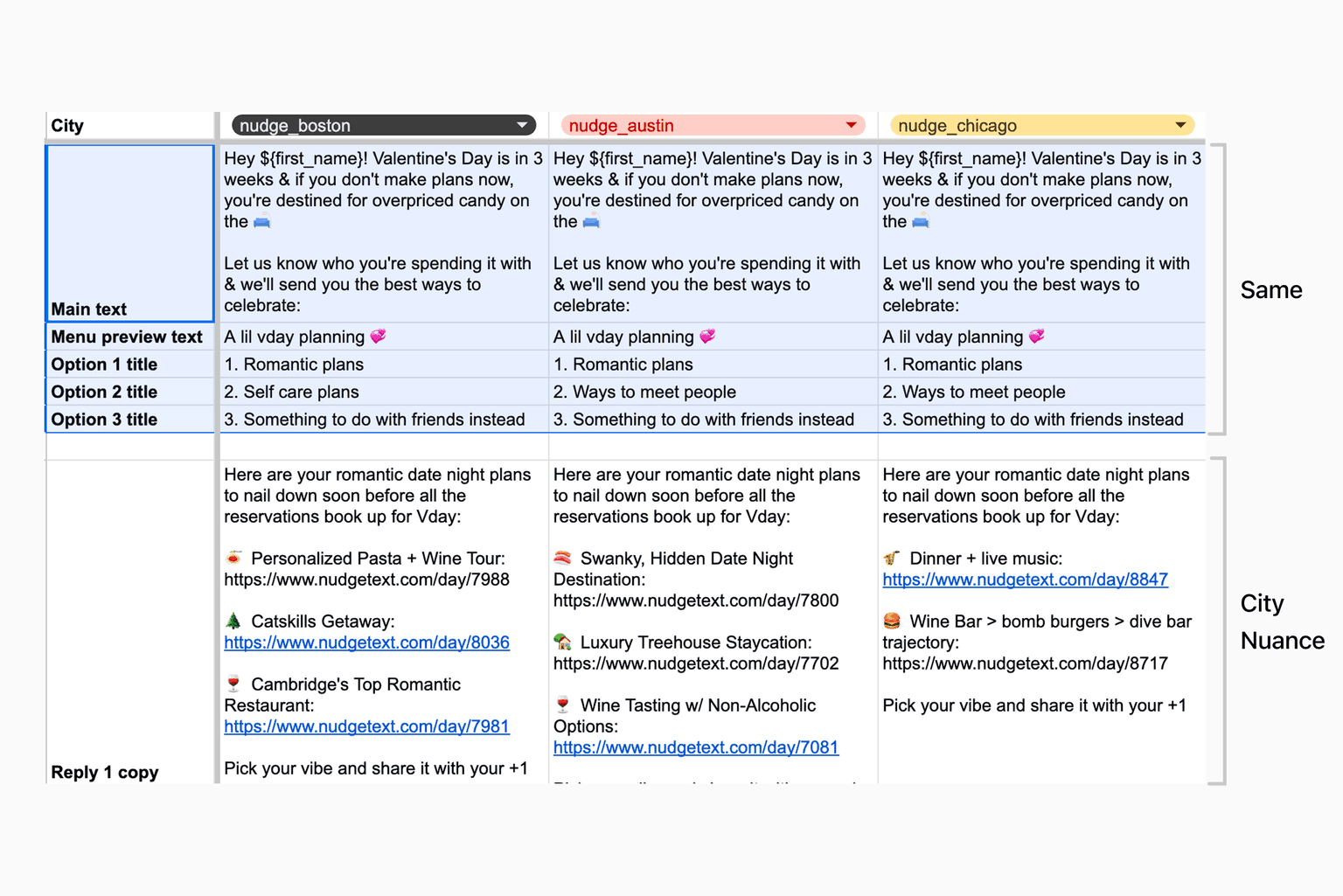
The parent draft was the design concept that made scale possible.
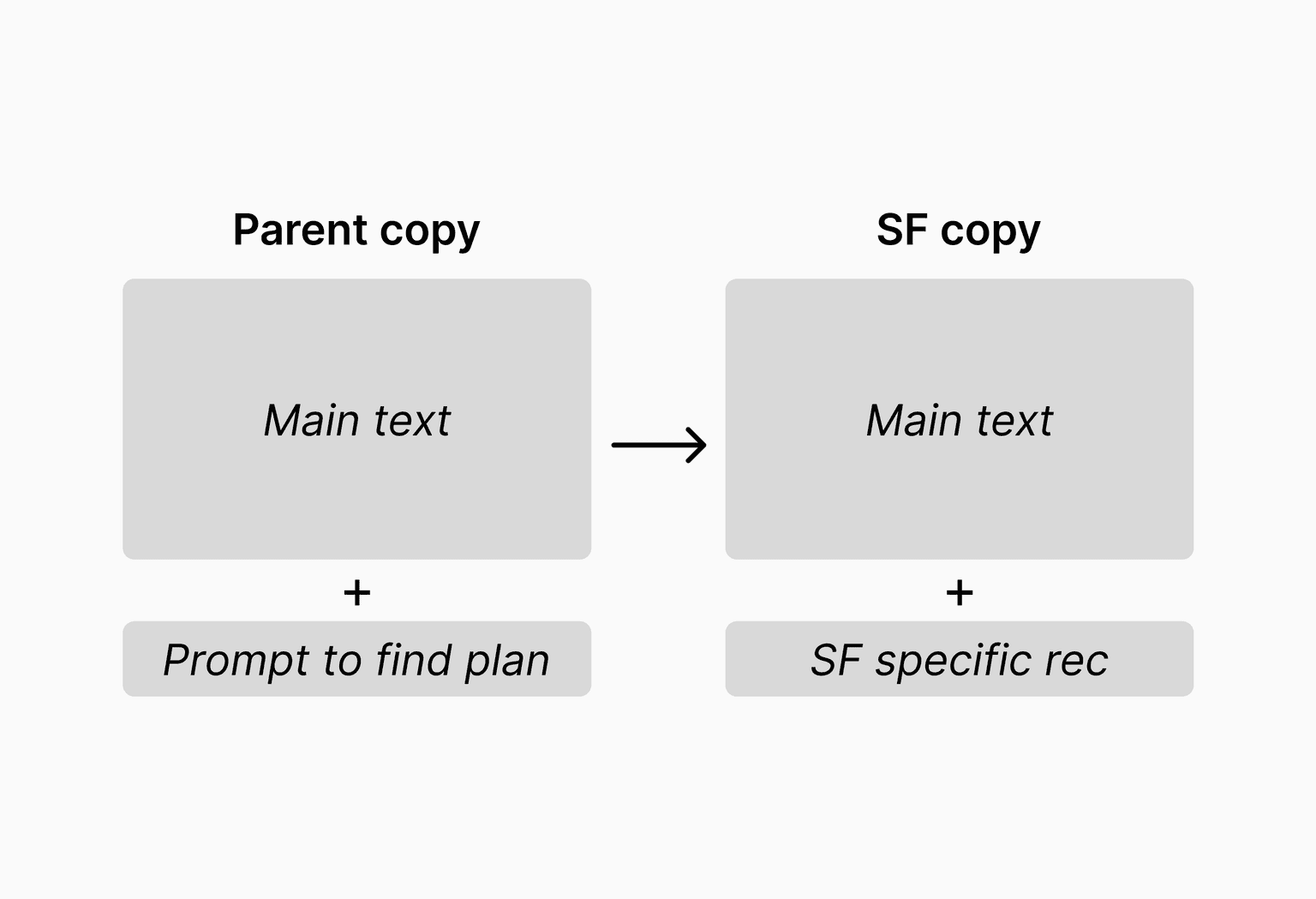
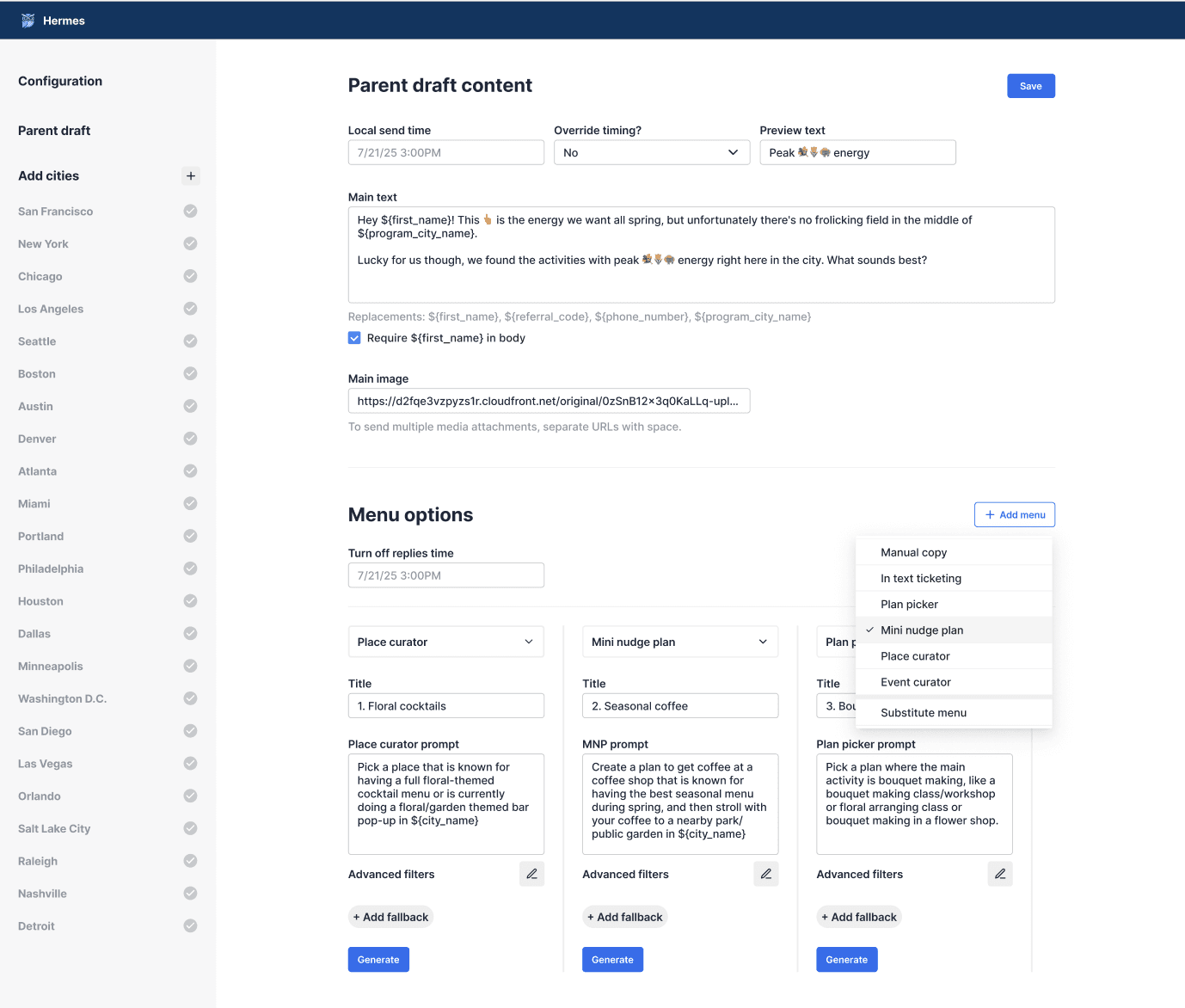
Rather than designing a tool where every city's editorial content is written independently, I designed around a parent draft: a single template where content sets the configuration, writes shared copy, and defines any AI prompting. Once run, each city inherits the parent draft and generates its own version automatically.
- Content is created once at a global level
- Shared structure and copy are defined in a parent draft
- Each city inherits that draft
- Local variations are generated automatically or customized as needed from plan search or AI curators
This worked because content's existing workflow was already built around shared copy being lightly adapted per city and it turned repeated manual work into a scalable system.
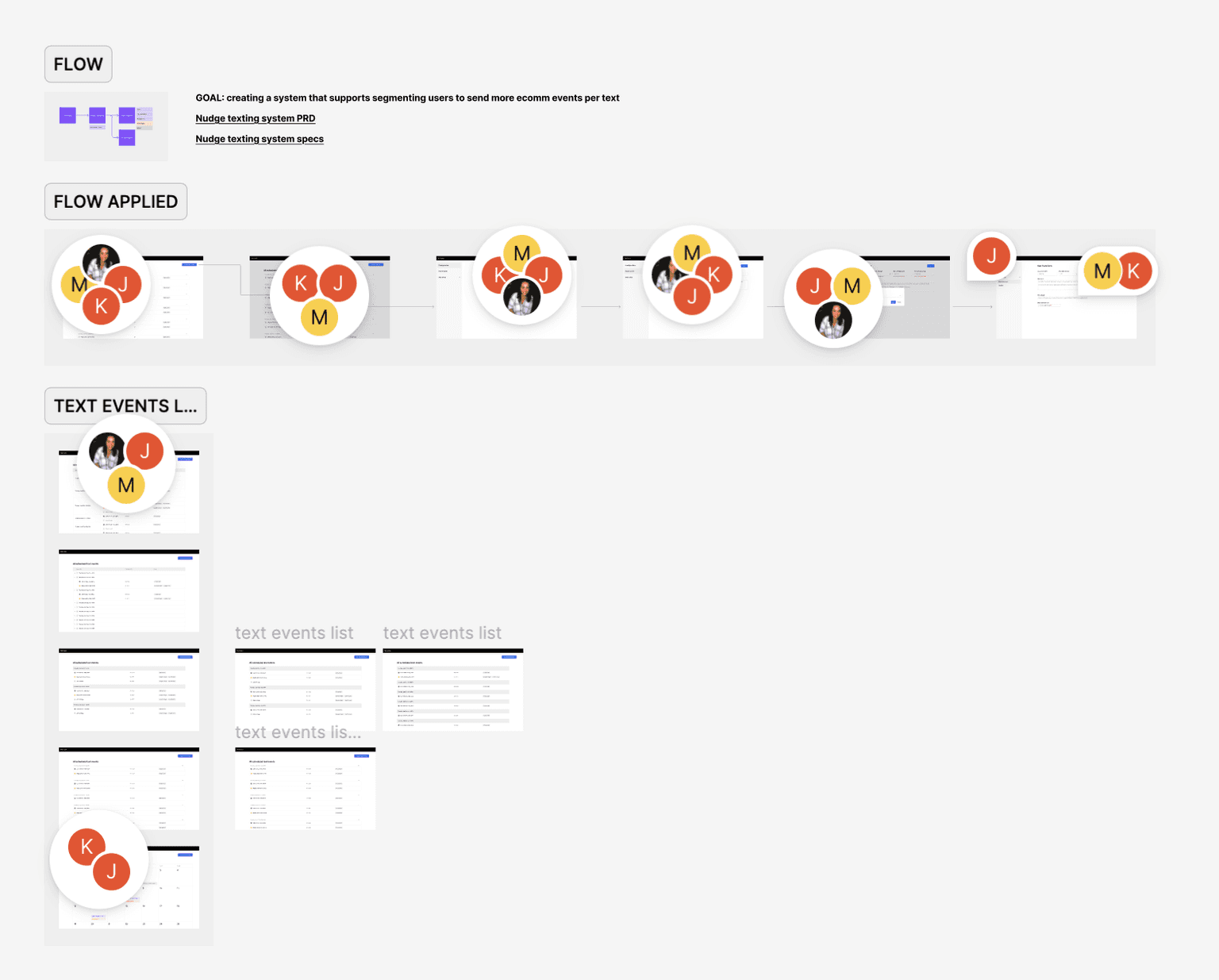
Because this tool would become the content team’s daily workspace, I worked closely with them from the beginning.
We explored multiple directions for how content could be organized and edited. Early concepts included calendar views and dense list views.
We distilled our learnings into what actually mattered:
- High level scannability
- Speed of editing
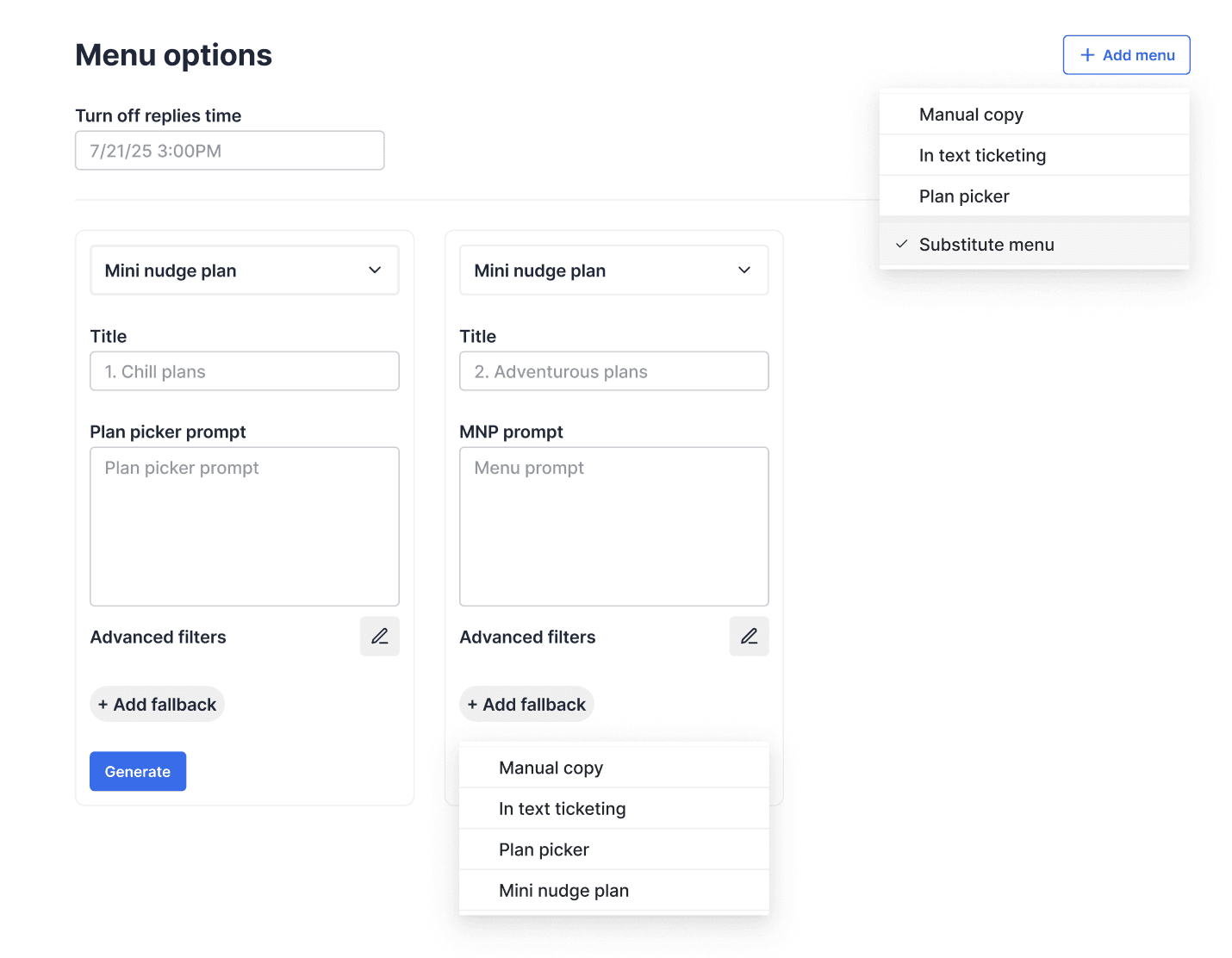
One of our biggest technical constraints to-date is how our menus are configured.
Our backend support for menus is one of our most brittle elements of our tool. They need to be placed in the exact order Content wants them to be sent out, they can’t be rearranged, or deleted. Alongside Chris, our senior engineer, we were able to prioritize and plan how we’d evolve the menu UX to account under these strict constraints: such as hiding menus rather than deleting, city-level editing, fallbacks, and substitute menus.
Some constraints included:
- Fixed ordering of content blocks
- Limited ability to delete or restructure content once created
- Detaching city drafts from the parent draft
Instead of fighting these constraints, we designed around them:
- Introducing concepts like hidden states instead of deletion
- Supporting fallback and substitution logic
- Enabling city-level overrides within a shared structure
Iterating toward speed, not perfection.
The goal of the MVP was simple: get the workflow into a system as quickly as possible.
We focused on:
- Recreating the existing content workflow in-product
- Reducing manual work: copy & pasting, merging our internal plan search tools
- Structural flexibility
From there, we rapidly iterated based on real usage.
Solution
An internal platform that decoupled scalability from editorial effort and gave engineers a system to build on
Our tool replaced the manual Google Sheets workflow with a real product. Content could create, edit, and manage all editorial outputs in one place, engineers could build new capabilities on top of a structured system, and the product to evolve without being constrained by tooling
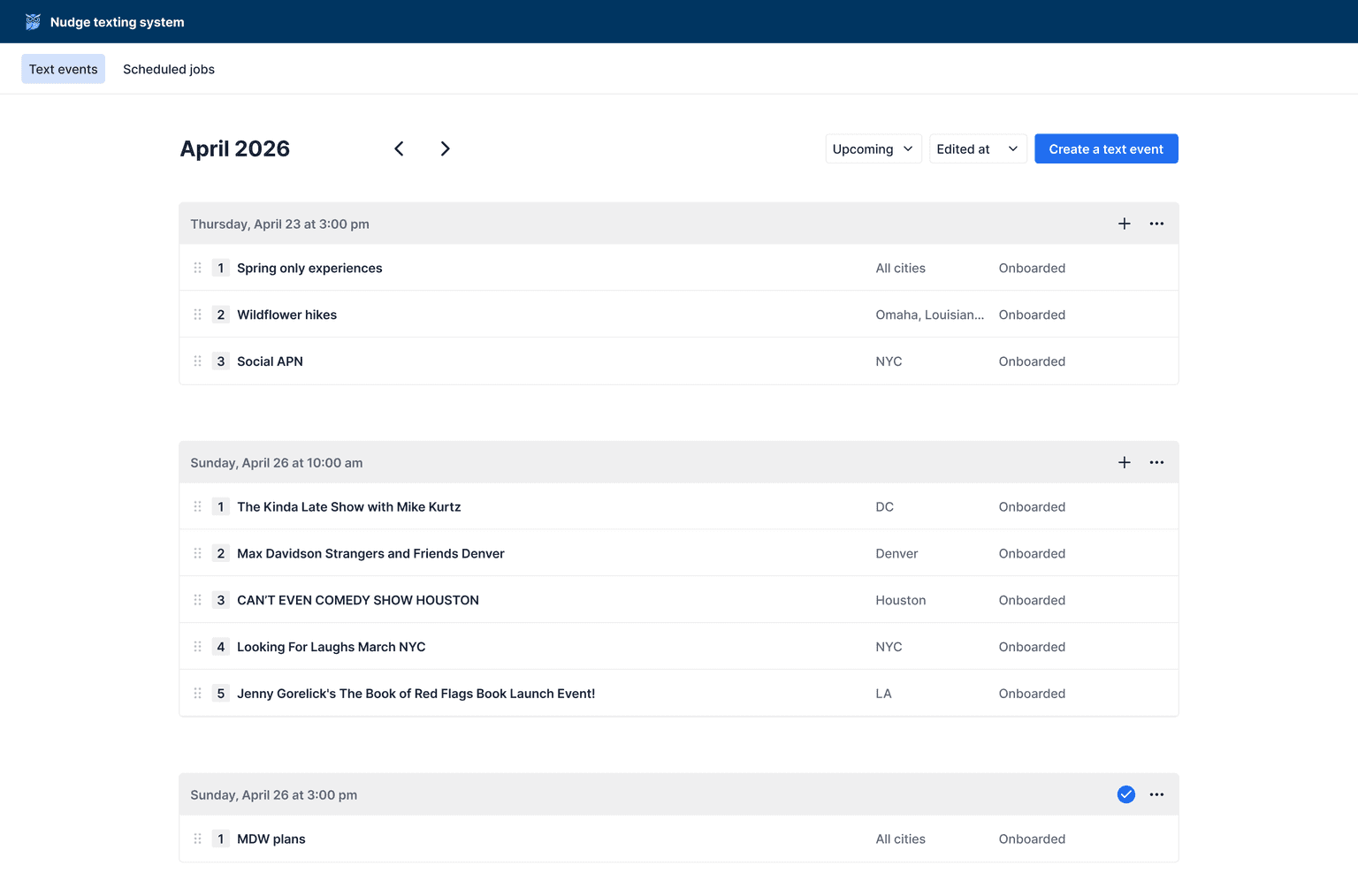
Editorial content now runs alongside our automated content systems
With editorial content on a structured system, we can scale it the same way we scale the rest of our content, rapidly and without sacrificing quality
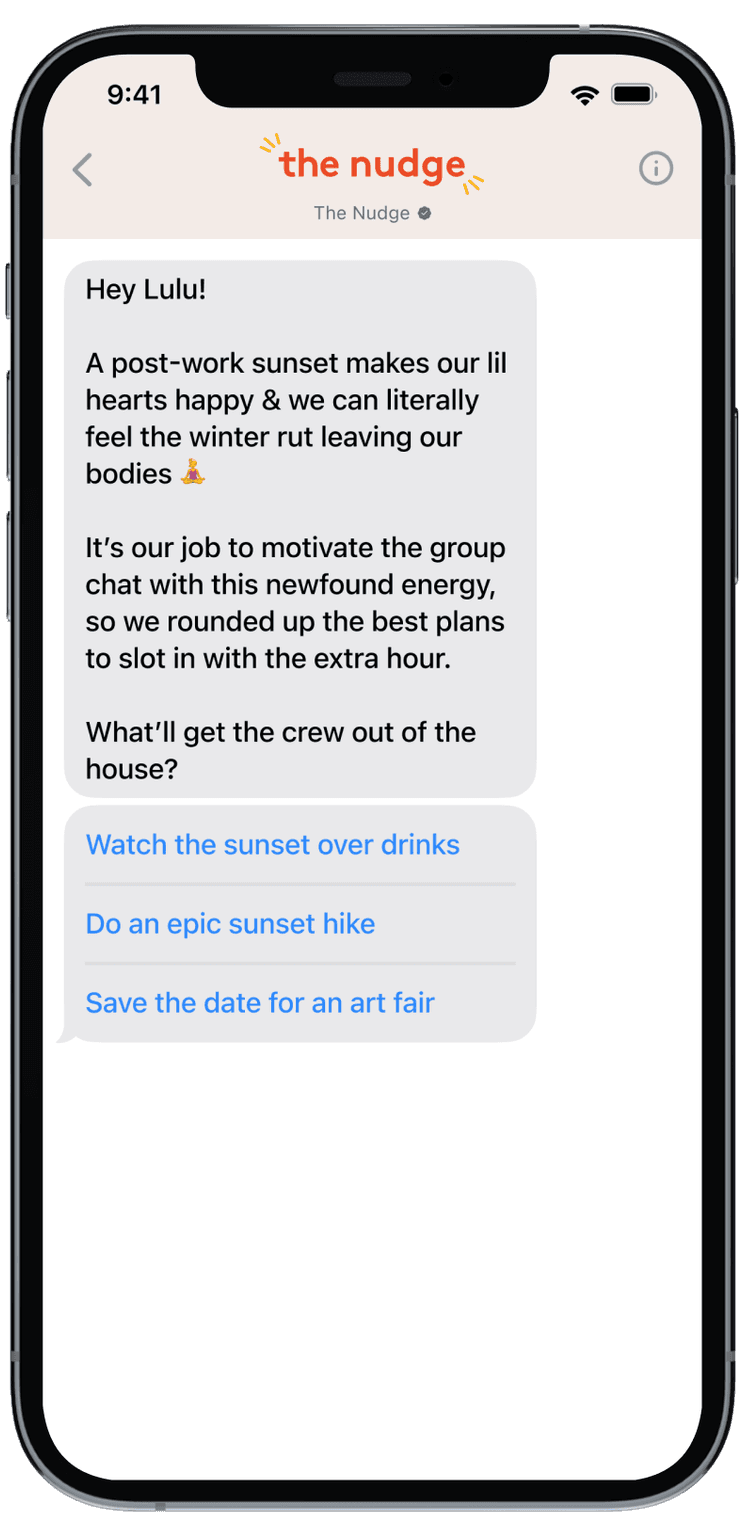
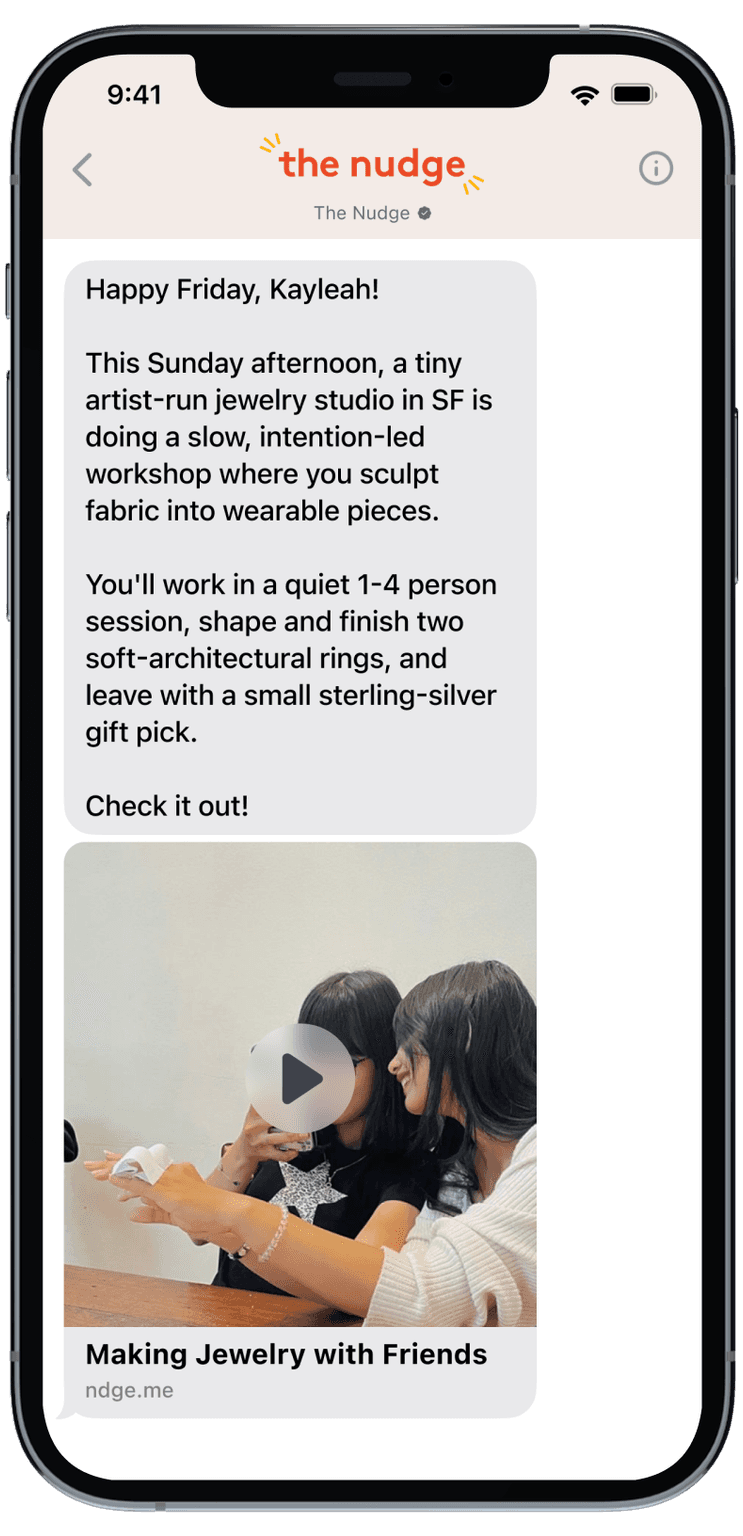
And we can now deliver timely, personalized texts to every user
Our ability to lean on AI curators has opened the door to personalizing our editorial text content on a user-by-user basis
Results
Our tool changed what's possible for the business
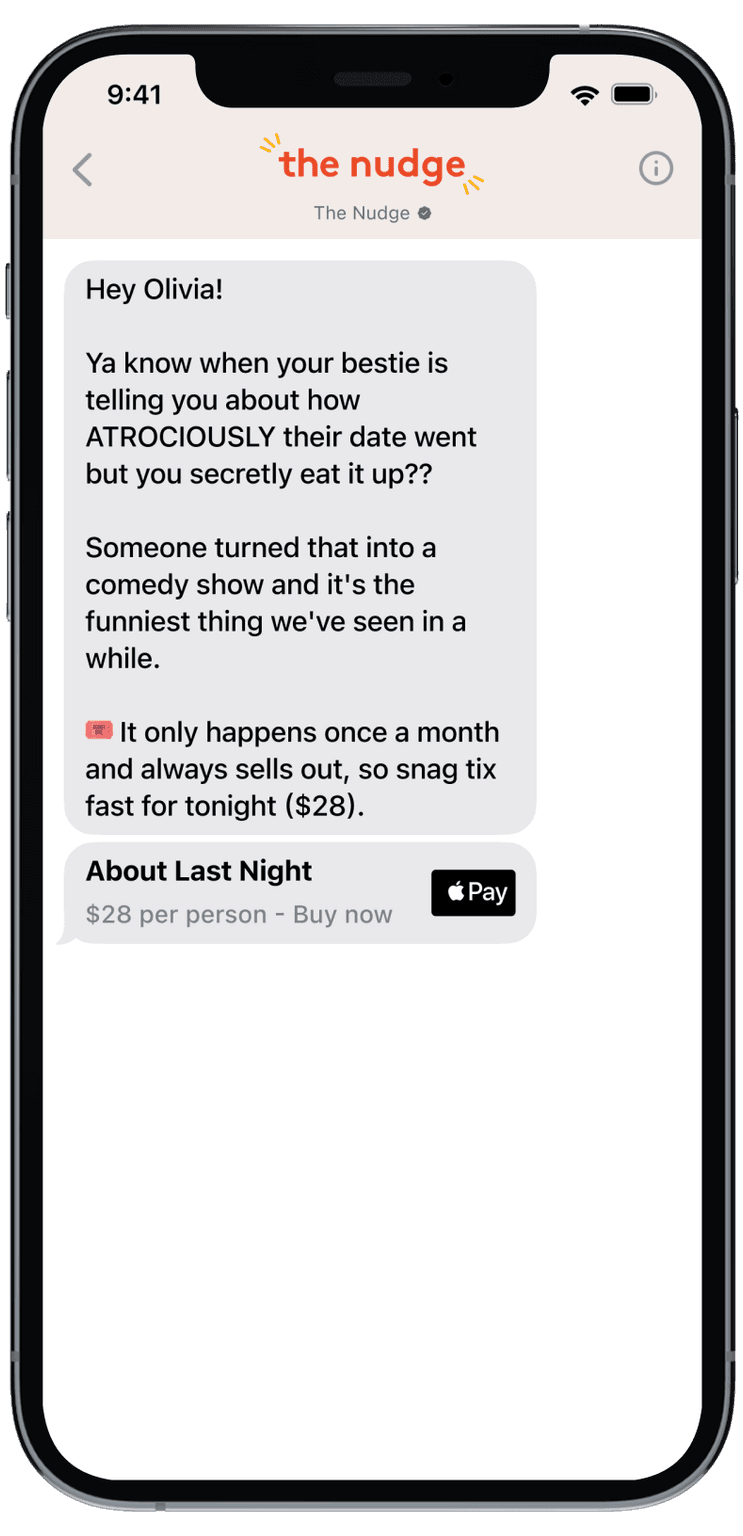
Our ability to incorporate AI curators also expanded the content we're able to produce.
- Plan curators: AI-generated plan recommendations
- Place curators: venue-level AI content
- Event curators: timely, city-specific event content
- Ticketing texts: a dedicated flow for event ticketing
- Automated texts: triggered sends around plans "near you" or your friend's activity that require no manual content input
- Persona texts: content variants tailored to different user segments based on their interests
Reflection
What’s most impactful about what we built isn’t just the tool itself but how it’s reshaped the team and business. We started by recreating our editorial content workflow but as we leaned more into its possibilities and AI, the human role shifted: less time writing drafts, more time on prompt quality, QA, and pipeline integrity. The content team moved toward prompt engineering, aligning their work with the rest of our AI-driven content stack, and engineers became contributors to the content process. I helped shape that transition at every stage, and watching it unfold has been one of the most interesting challenges I've worked on.
Team
- Mars HovasseProduct Designer
- Chris SullivanSenior Engineer
- John PetersonCEO
- Kari ClarkHead of Content
- Hallie RichieContent Director
- Kawaiala HusenContent Strategist